Difficulty Swallowing: Is it an Early Sign of Esophageal Cancer? in Baner
Recognizing the Symptoms: Why Difficulty Swallowing Shouldn’t Be Ignored in Baner
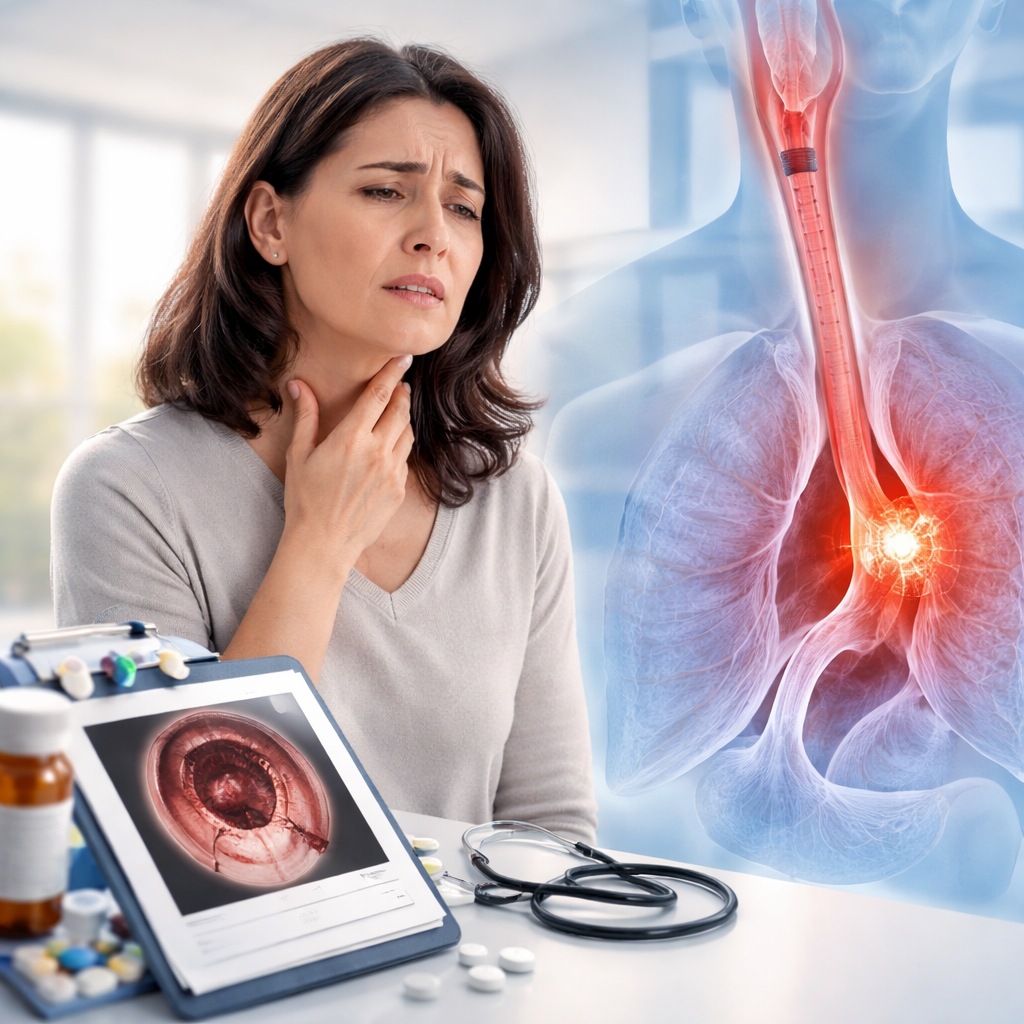
Difficulty swallowing, medically referred to as dysphagia, is more than just a benign inconvenience for many individuals. This symptom can oftentimes signify serious underlying health conditions, such as esophageal cancer. When patients experience dysphagia, they often describe it as a feeling of food being stuck in the throat or chest, a sensation that can worsen over time. Recognizing this early could potentially save lives, as early cancer detection significantly improves treatment outcomes. For those experiencing chronic swallowing difficulties, consulting a specialist like Dr. Jyoti Mehta could be a life-saving decision. Often, individuals may dismiss these signs as side effects of aging or diet, underestimating the potential severity. However, these symptoms could be initial indicators that demand medical attention. Comprehensive diagnosis can unveil whether th
e cause is cancer-related or due to less severe conditions such as GERD. Early detection facilitates a wider array of treatment options, emphasizing the need for prompt and professional evaluation of any swallowing irregularities. This approach ensures that individuals are able to undertake necessary lifestyle adjustments or medical interventions to manage their health effectively.
Understanding the Risk Factors: What Contributes to Esophageal Cancer in Baner
Understanding the contributing factors to esophageal cancer can help in assessing individual risk and prioritizing monitoring measures. Age and gender play significant roles; esophageal cancer commonly affects males over the age of 50 more frequently than females. However, lifestyle choices such as smoking and alcohol consumption substantially increase risk, as these contribute to chronic irritation of the esophageal lining. Additionally, a diet low in fruits and vegetables, coupled with obesity, can exacerbate the risk. Chronic conditions like GERD or Barrett’s esophagus are also key players, leading to damage in the esophageal cells over time. Expert medical advice from professionals such as Dr. Jyoti Mehta can guide at-risk patients through proactive steps to mitigate these risks. By understanding these elements, individuals are empowered to make informed decisions about thei
r health, lifestyle, and need for routine screening. Targeted education and awareness can propel patients towards preventative healthcare practices, minimizing the long-term incidence of esophageal cancer within at-risk populations.
The Path to Diagnosis: Critical Steps and Procedures in Baner
The path to diagnosing esophageal cancer begins once symptoms like difficulty swallowing prompt consultation with healthcare providers. Dr. Jyoti Mehta and similar specialists employ a series of diagnostic tests to confirm whether dysphagia is cancer-related. Initial assessments include a physical examination and detailed patient history, followed by specialized procedures such as endoscopy, which allows direct visualization of the esophageal lining and the ability to take biopsies. Imaging techniques, such as a CT scan or PET scan, are often used to determine the extent of the disease. Early diagnosis substantially enhances treatment success, offering different approaches such as surgery, radiation, or chemotherapy. Understanding that early stage cancer is often asymptomatic underlines the importance of addressing even mild swallowing issues quickly. Engaging with medical
professionals early ensures a comprehensive approach to cancer detection, leading to better tailored treatment plans and improved survival rates. Initiating these steps without delay is crucial for effective management and treatment of esophageal cancer.
Importance of Early Detection and Consultation with Dr. Jyoti Mehta in Baner
Consultation with a specialist like Dr. Jyoti Mehta could be pivotal for those experiencing initial signs such as difficulty swallowing. Early intervention is key, as it broadens the spectrum of available treatment options and significantly improves prognostic outcomes. Dr. Mehta's approach involves a thorough examination of the symptoms, risk factors, and potential diagnostic pathways tailored to each individual. Through targeted interventions, patients are provided with clarity and peace of mind, reducing fear by understanding that the path to recovery is structured and supported. The role of a dedicated healthcare provider extends beyond diagnosis, emphasizing continuous support through treatment and recovery. Encouraging patients to seek early guidance reinforces that their health is a priority. Dr. Mehta’s adept knowledge in mitigating risks associated with esophageal cancer, coupled with patient-centered care, embodies the importance of early detection and professional consultation. This proactive engagement fosters improved health outcomes and enhances overall patient well-being, demonstrating the critical nature of engaging healthcare resources promptly.