Expert Guide to Brain Tumor Treatment Options | Consult Dr. Jyoti Mehta in Baner
Surgery as a Primary Treatment Method in Baner
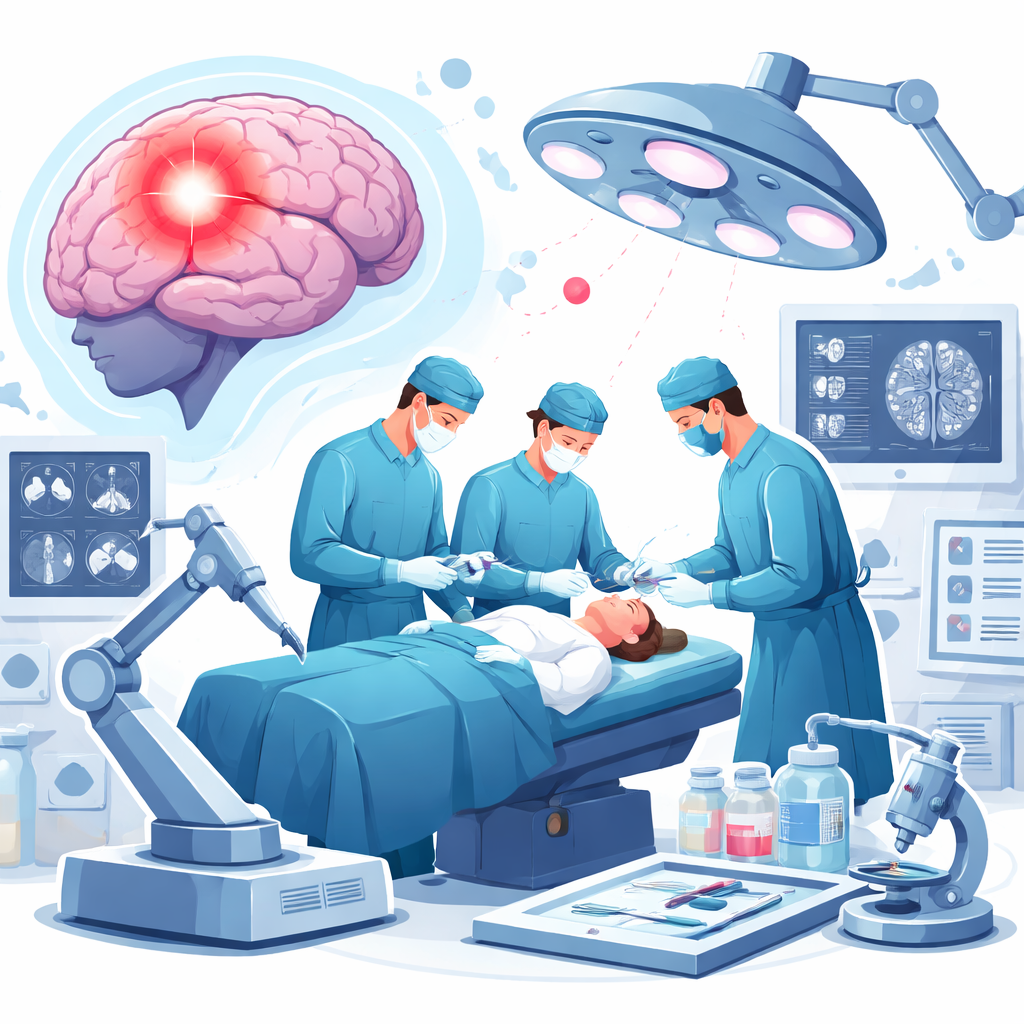
Brain tumor surgery is often the first and most critical step for many patients, aiming to remove as much of the tumor as possible. This procedure becomes especially vital when the tumor is assessed as operable based on its location and size. Experienced neurosurgeons utilize advanced imaging technologies, such as MRI and CT scans, to enhance the precision of the surgery while minimizing risks to vital brain functions. The main goal is to achieve a complete resection, which significantly improves prognosis and may eliminate the need for further treatment types. Post-surgical recovery focuses on rehabilitation to regain neurological functions affected by the tumor or surgery itself. Patients often wonder about the risks, but advancements in neurosurgical techniques and supportive care have considerably enhanced safety profiles. Moreover, the use of intraoperati
ve monitoring allows surgeons to navigate sensitive areas of the brain with accuracy. Incorporating minimally invasive techniques not only improves recovery times but also reduces hospital stays, making surgery a potentially life-changing option for many patients. Doctors, such as Dr. Jyoti Mehta, emphasize the importance of early consultation, as timely intervention significantly improves outcomes.
Radiation Therapy: Targeting the Tumor in Baner
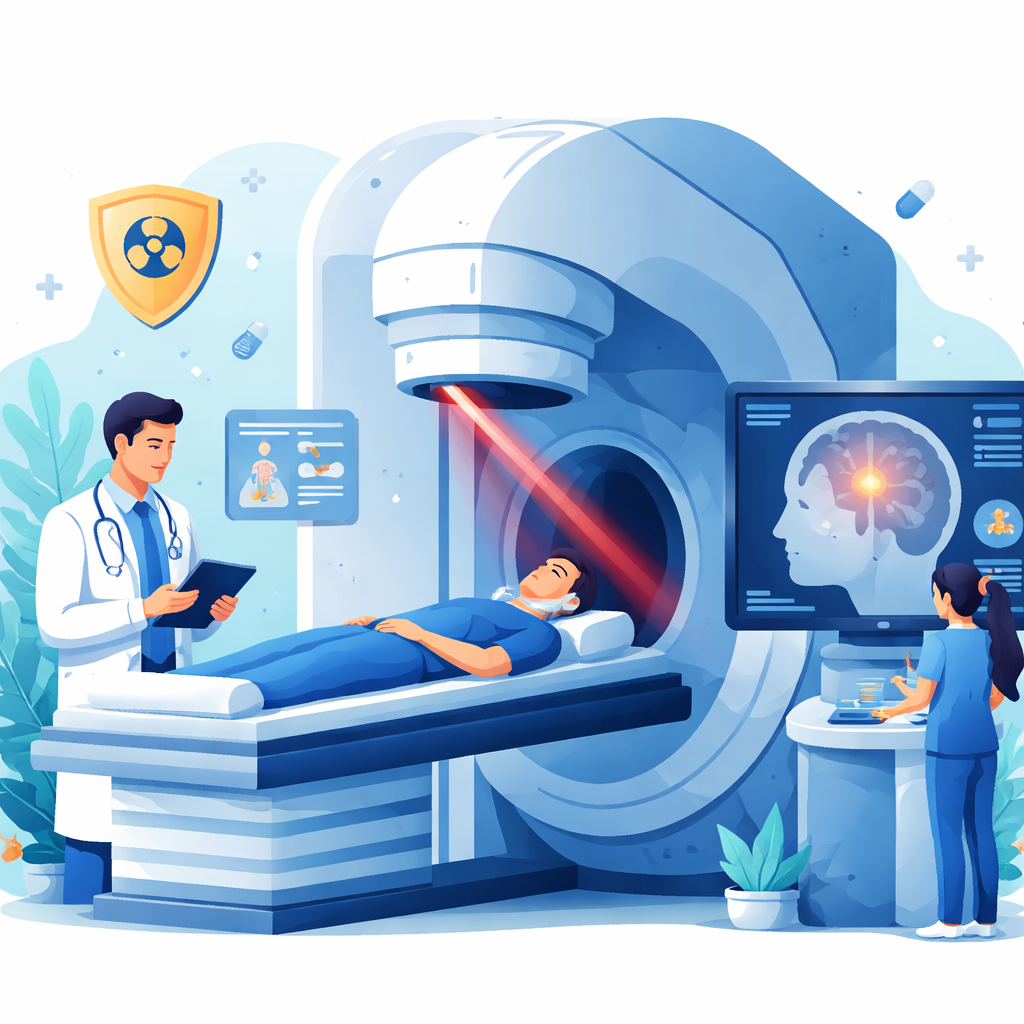
Radiation therapy plays a pivotal role in treating brain tumors, especially when surgery is not feasible or the tumor is only partially removed. It involves using high-energy beams to destroy or damage cancer cells, thus stopping them from growing. Advanced techniques like stereotactic radiosurgery deliver high doses to precise locations, making them highly effective for targeting specific tumor areas without harming surrounding healthy tissue. Intensity-modulated radiation therapy (IMRT) further optimizes treatment by modulating beam intensity, reducing side effects. The duration and frequency of radiation therapy depend on the tumor type and size, requiring personalized plans developed by skilled oncologists. Potential side effects may include fatigue and changes in skin conditions at the treatment site, but these are often manageable. Patients are encouraged to ma
intain open communication with their healthcare team to address concerns and optimize therapeutic benefits. Specialists in radiation therapy collaborate closely with neurosurgeons and other care providers, ensuring integrated patient care that maximizes the effectiveness of treatment.
Chemotherapy: A Systemic Approach in Baner
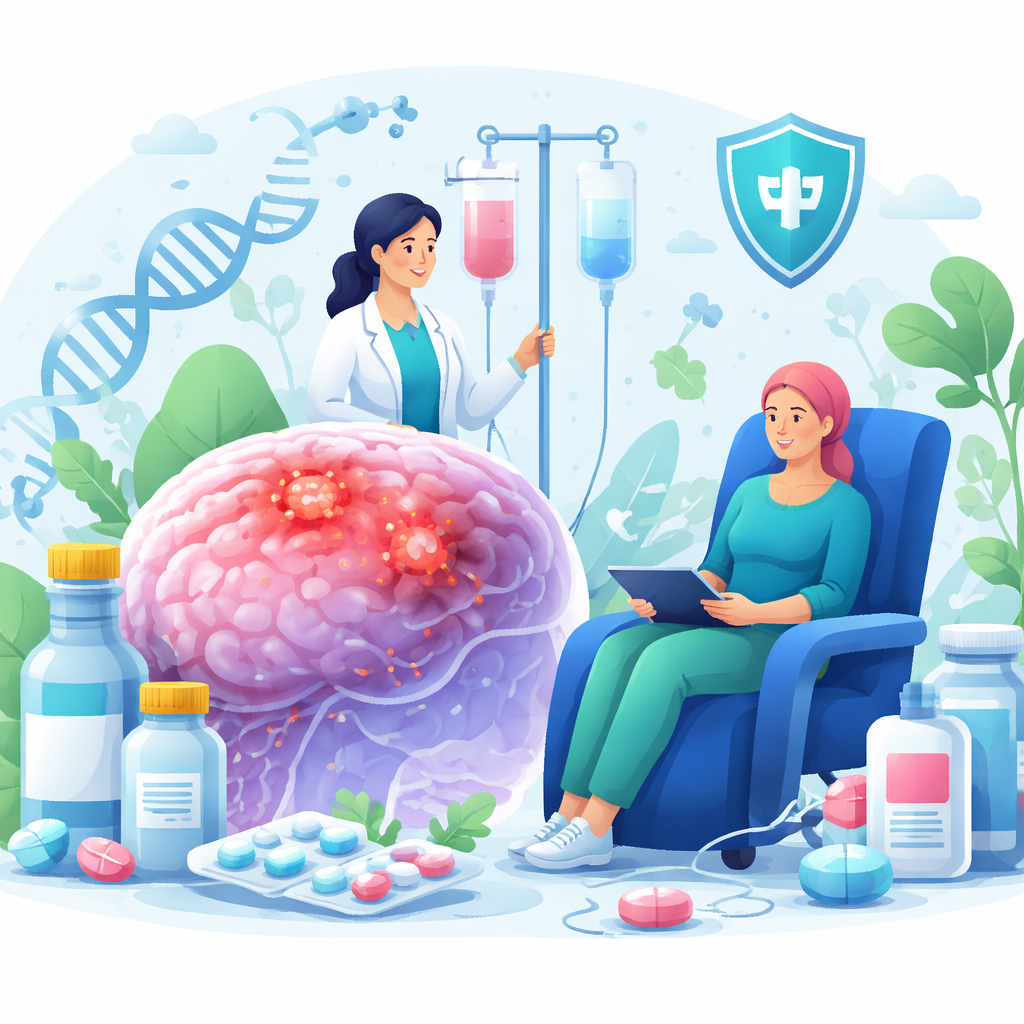
Chemotherapy is a systemic treatment that uses drugs to kill cancer cells and is an important strategy in managing brain tumors, especially when they have spread or cannot be surgically removed. Commonly administered orally or intravenously, chemotherapy can be given in cycles to balance effectiveness and manage side effects. The introduction of targeted therapies has revolutionized this approach, allowing for the precise targeting of cancer cells based on their molecular characteristics, which enhances treatment response. Some therapies are designed to cross the blood-brain barrier, a critical factor in the effectiveness of brain tumor treatment. Neurologists may combine chemotherapy with other modalities like radiation to improve survival rates and reduce recurrence. Handling side effects such as nausea, hair loss, or low blood counts is crucial, with supportive care play
ing a significant role. Regular follow-ups and support from healthcare professionals help monitor progress and adapt treatment plans to maintain efficacy while preserving quality of life. Recognizing the evolving nature of cancer treatment, Dr. Jyoti Mehta recommends continual evaluation of new therapies through clinical trials.
Emerging Treatments and Clinical Trials in Baner
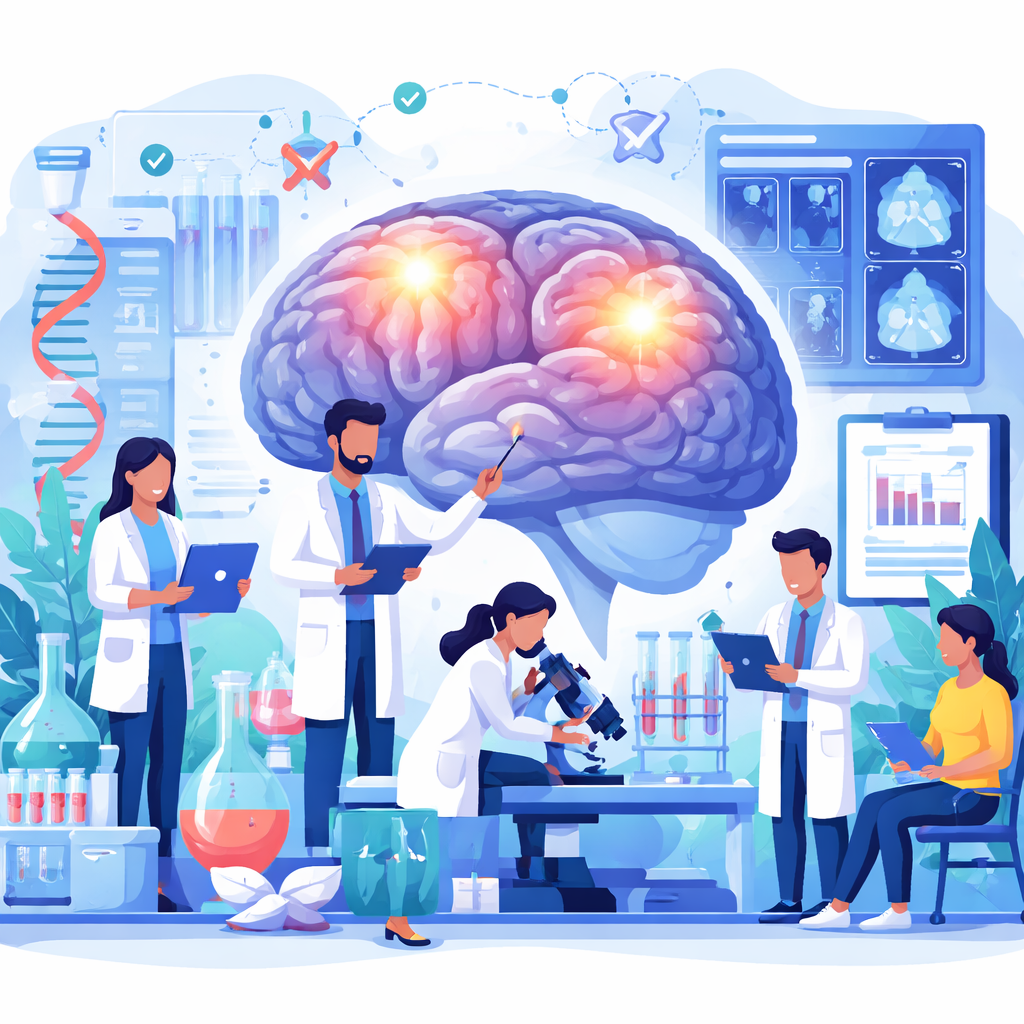
The landscape of brain tumor treatments is continually evolving, with research and clinical trials bringing new hope. Emerging therapies such as immunotherapy are at the forefront, utilizing the body's immune system to attack tumor cells. These innovative treatments are often available through clinical trials, offering patients access to pioneering methods. Gene therapy and personalized medicine are other areas showing promise, targeting specific genetic mutations within tumors for more effective outcomes. Enrolling in clinical trials provides not only potential benefits from cutting-edge treatments but also contributes to research that shapes future care protocols. Dr. Jyoti Mehta is active in various research initiatives, advocating for patient participation in trials that align with their specific diagnosis and treatment goals. The combination of traditiona
l and emerging treatments underscores a comprehensive approach to care, where the best possible outcomes are achieved through integrated and personalized strategies.
Frequently Asked Questions
What are the latest advancements in brain tumor treatment?➤
Recent advancements in brain tumor treatment include the use of immunotherapy, which harnesses the body's immune system to target cancer cells, and gene therapy that targets genetic mutations specific to tumors. Additionally, precision medicine allows for personalized treatment plans. Participating in clinical trials may offer access to these innovations.
How can early consultation impact brain tumor treatment outcomes?➤
An early consultation can significantly affect treatment outcomes for brain tumors. By diagnosing the condition promptly, healthcare providers can tailor a suitable treatment plan that maximizes the chances of success. Early intervention often results in better prognosis and allows for a wider range of treatment options.
Are there non-surgical options available for treating brain tumors?➤
Yes, non-surgical options like radiation therapy and chemotherapy are viable for treating brain tumors, especially when surgery isn't possible. Radiation targets and kills cancer cells with precise beams, while chemotherapy uses drugs to kill or slow cancer growth. New therapies, such as targeted and immune therapies, also provide non-surgical pathways.
What role does supportive care play in brain tumor treatment?➤
Supportive care is vital in managing brain tumor treatment side effects, enhancing quality of life, and ensuring overall well-being during the treatment journey. It involves physical therapy, nutritional support, and psychological counseling to alleviate discomfort and promote recovery post-treatment. Coordinated care from specialists like Dr. Jyoti Mehta can make a considerable difference.
Can clinical trials offer viable treatment options for brain tumor patients?➤
Clinical trials are a promising option, offering access to innovative treatment methods not yet widely available. They focus on testing new therapies, such as immunotherapy and precision medicine, providing potential benefits to participants. These trials are well-regulated, ensuring safety and enhanced monitoring throughout the process.